Musical comedy transforms familiar melodies, emotional clichés, and dramatic tropes into comedy. From "Weird Al" Yankovic's iconic satires to viral TikTok roasts, producing an authentic song parody once required hiring vocal mimics, booking studio time, and licensing expensive instrumental backing tracks. Today, an ai song parody generator enables writers, creators, and comedians to turn everyday annoyances, office banter, or pop culture memes into fully arranged comedy tracks in seconds.
Modern generative neural audio engines can synthesize authentic musical genres—ranging from sweeping operatic arias to aggressive 90s boom-bap rap—while capturing nuanced comedic vocal deliveries, exaggerated vibrato, and sarcastic spoken asides. Here is your practical production guide to creating studio-grade song parodies with zero initial financial investment.
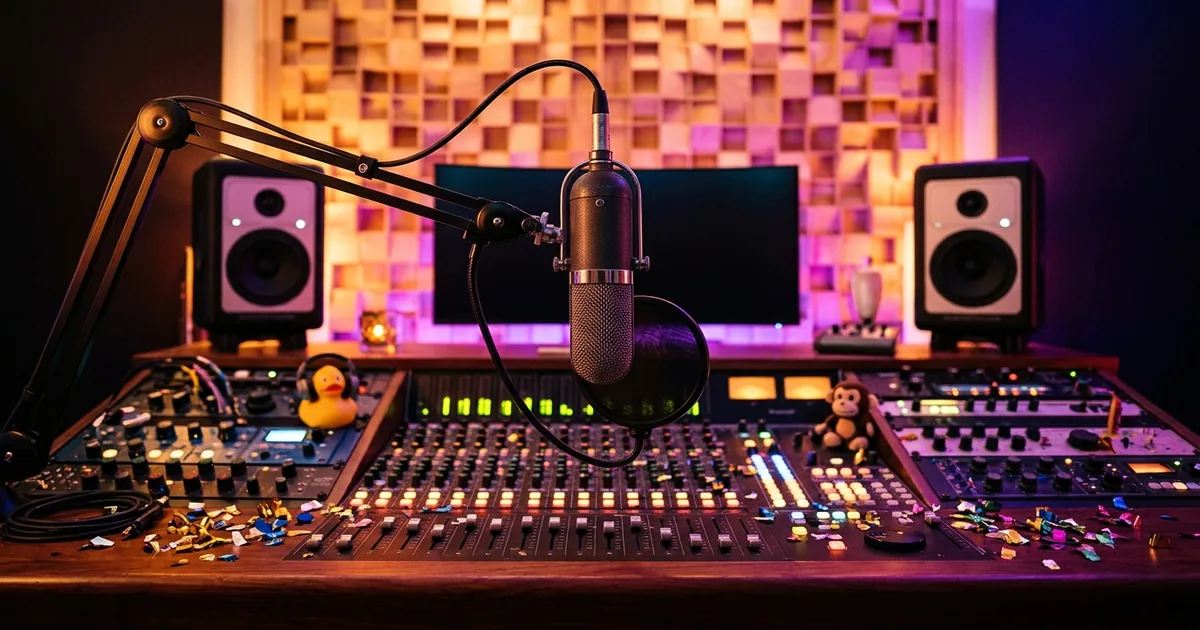
Modern generative audio engines synthesize nuanced comedic vocal inflection, exaggerated melodrama, and genre parody without robotic artifacts.
Quick Comparison: Best Free AI Song Parody Generators in 2026
| Platform | Comedic Vocal Nuance and Inflection | Syllabic Meter Alignment | Free Daily Quota | Audio Export Specs | Commercial Rights |
|---|---|---|---|---|---|
| AISongGenie | 9.8 / 10 (Dynamic comedic tags like spoken asides and vibrato) | Flawless syllable-to-beat synchronization | Generous daily free generation credits | 320kbps MP3 and uncompressed 24-bit WAV | Full commercial rights on created comedy tracks |
| Suno V6 | 9.1 / 10 | 8.9 / 10 (Occasional lyric rushing on long lines) | 50 credits daily (approx. 5 generations) | 192kbps MP3 on free tier | Non-commercial on free tier |
| Udio | 9.0 / 10 (Good theatrical emotion) | 8.5 / 10 (Requires manual inpainting for comedic pauses) | 10 daily credits with rolling cooldown | Standard MP3 | Paid subscription required for commercial use |
| Word.Studio | 7.5 / 10 (Text generation only, no audio engine) | 8.2 / 10 | Limited daily lyric drafts | Text only (No audio export) | Text ownership only |
The Core Principles of Musical Parody Production
Writing a genuinely funny parody song is fundamentally different from drafting standard pop lyrics. Successful comedy tracks rely on strict comedic contrast, metric discipline, and expressive vocal direction:
- The Comedy Contrast Principle: The funniest parodies treat absurd subject matter with complete musical seriousness. A soaring, operatic tenor lamenting an empty coffee pot or a gritty grunge vocalist screaming about losing car keys creates instant comedic tension between the solemn production and ridiculous lyrics.
- Strict Syllable Count and Prosodic Meter: If you are spoofing a well-known lyrical rhythm, matching the original song's stress patterns (iambic versus trochaic feet) is mandatory. Crowding extra syllables into a line forces the AI vocal model to rush, blurring your punchlines.
- Directing the Vocal Delivery with Prompt Tags: Generative models respond directly to expressive bracketed markers inside the lyric box. Inserting cues such as
[Overdramatic Falsetto],[Spoken Aside],[Dramatic Gasp], or[Exaggerated Vibrato]instructs the neural model to modify its vocal formant and timing. - Anthemic Chorus Hooks: Parody works best when the chorus is catchy enough to become an earworm. Give your comedic premise a clean, repetitive hook that listeners can hum immediately. For related comedy techniques, explore our guide on using an ai parody song maker.
Studio-Tested Parody Prompts for Every Comedic Style
To guide the neural generator toward the ideal balance of musical authenticity and comedic flair, specify genre tropes, vocal delivery quirks, tempo (BPM), and instrumentation. Here are four tested prompt recipes:
1. Overdramatic 80s Hair Metal Office Meltdown
"ai song parody, over-the-top 80s hair metal power ballad, soaring raspy male lead vocals, weeping dual electric guitar solos, thunderous gated snare drums, melodramatic chorus about the office printer running out of magenta toner, 78 BPM, vintage arena rock master"
2. Grand Classical Italian Opera Coffee Tragedy
"ai song parody, grand classical Italian opera aria, booming dramatic tenor vocals, lush orchestral strings, timpani rolls, tragic comedic crescendo lamenting an empty coffee machine on Monday morning, 82 BPM"
3. Gritty 90s Boom-Bap Supermarket Produce Battle
"ai song parody, gritty 90s boom-bap hip-hop, rhythmic hard-hitting female rap vocals, sampled vinyl horns, punchy kick and snare, humorous lyrical battle over the last avocado in the supermarket produce aisle, 94 BPM"
4. Emo Pop-Punk Flat-Pack Furniture Crisis
"ai song parody, fast energetic 2000s emo pop-punk, whiny emotive male lead vocals, distorted power chords, driving drum fills, self-deprecating anthem about assembling flat-pack Swedish furniture without the manual, 160 BPM"
Ready to Make Your First Viral Parody Song?
Turn your inside jokes, office roasts, or satirical lyrics into radio-ready comedy singles. Zero audio production skills required.
Step-by-Step Workflow: From Joke Concept to Mastered Comedy Single
- Step 1: Lock Down the Central Comedic Premise: Begin with a clear, relatable conflict. Great parody ideas isolate universal daily frustrations—forgotten passwords, group chat etiquette, fitness app guilt, or diet resolutions. Summarize your joke in a single punchline before writing a single rhyme.
- Step 2: Map Out Rhymes and Syllable Meter: Draft verses following a consistent rhyme scheme (such as AABB or ABAB). Read your lyrics out loud while tapping your foot to ensure every line contains the exact same number of stressed syllables. For songwriting lyric optimization, check our analysis on what AI makes the best song lyrics.
- Step 3: Insert Expressive Performance Tags:
Use bracketed vocal tags directly in your lyric sheet:
[Intro: Melodramatic piano roll]->[Verse 1: Deadpan delivery]->[Pre-Chorus: Rising harmonies, vocal desperation]->[Chorus: Huge arena rock choir]->[Outro: Spoken sigh]. These directional cues guide the neural model's vocal inflections. - Step 4: Generate Iterations, Pick the Funniest Delivery, and Master: Generate three to four prompt seeds. Comedic timing in AI vocal generation can vary between takes—one seed might deliver a deadpan spoken aside perfectly, while another emphasizes an operatic falsetto. Choose the take with the strongest comedic resonance, then export in uncompressed WAV or 320kbps MP3.
Diagnostic Matrix: Troubleshooting Common Parody Generation Flaws
| Comedic Flaw | Root Cause | Traditional DAW Fix | AI Prompt and Tag Solution |
|---|---|---|---|
| Vocal sounds flat and emotionless, killing the joke | Generic vocal style prompt lacking emotional direction | Recording multiple vocal takes with an actor or vocal director | Specify in prompt: "overdramatic theatrical vocals, exaggerated vibrato, sarcastic inflection" |
| Punchlines rushed and unintelligible | Too many syllables crammed into a single musical bar | Manual time-stretching and audio cut-and-splice | Trim 2 to 3 syllables per line to match natural metric cadence |
| AI ignores humorous spoken asides and whispers | Tags placed inside the main lyrical rhyme block without separation | Automating volume fader down to isolate spoken stem | Place spoken cues on their own dedicated line: [Spoken Word: "Did I really just say that?"] |
| Backing track feels too playful, weakening the satire | Prompts including "funny music" trigger cartoon sound effects | Replacing MIDI instruments with realistic orchestral stems | Remove words like "funny" or "cartoon"; use serious genre tags like "serious 80s rock power ballad" |
| Chorus melody doesn't stick in the listener's head | Lacks repetitive hook or contrasting harmonic progression | Writing a secondary vocal counter-melody | Repeat a short 4-word punchline 3 times in the [Chorus] with a rising octave |
Legal Framework: Parody vs. Satire under Copyright Law
When publishing comedy songs online, understanding copyright law is crucial. In the landmark 1994 United States Supreme Court ruling Campbell v. Acuff-Rose Music, Inc., the court confirmed that a transformative parody—one that comments on or ridicules the original work itself—qualifies as protected Fair Use under Section 107 of the Copyright Act, even if distributed commercially.
However, copyright courts draw a sharp line between Parody (mocking the song itself) and Satire (using a song melody merely as a vehicle to mock an unrelated political or social topic). To avoid copyright claims on platforms like YouTube and Spotify, generating completely original melodies and instrumental arrangements with AISongGenie provides absolute legal protection. For in-depth monetization and licensing details, read our complete guide on whether ai generated music can be monetized on youtube.
Frequently Asked Questions
Is it legally safe to make and monetize AI parody songs?
Yes, especially when using platforms like AISongGenie that generate 100% original musical arrangements and melodies rather than copying copyrighted master recordings. Tracks created under eligible paid tiers come with commercial rights, enabling safe monetization on YouTube, TikTok, and streaming networks.
How do I make the AI singer sound melodramatic or sarcastic?
Include descriptive emotional modifiers in your prompt and lyric sheet. Directives such as [Over-the-top Operatic Belting], [Deadpan Sarcasm], or [Gasping for Breath] instruct the neural model to alter its vocal timbre, vibrato intensity, and pauses.
Can I spoof pop genres like K-Pop or country music?
Absolutely. You can parody any genre simply by calling its stylistic tropes. For instance, you can create a high-energy idol parody using our ai kpop song generator, or mock classic southern acoustic ballads with our specialized country models.
What should I do if my lyrics have too many syllables for the melody?
Count the syllables in each line before generating. If a line exceeds 10 to 12 syllables in standard 4/4 time, rephrase or remove non-essential adjectives. Ensuring steady syllable counts guarantees crisp punchline delivery without slurring.
Can I turn my AI parody song into an animated or lyric video?
Yes. Pairing a comedy track with kinetic lyric videos or 3D visualizers significantly increases engagement on TikTok and YouTube Shorts. Check our tutorial on creating visuals with an ai music video generator free to automate the video creation process.
How do AI parody generators handle celebrity voice clones?
Legitimate platforms avoid direct celebrity voice impersonation to protect creators from right-of-publicity lawsuits. Instead, specify broad vocal archetypes like "80s arena rock baritone" or "melodramatic Italian tenor". If you want to explore voice modeling techniques, read our guide on how to make AI song covers.
Related Guides and Reading
- Best AI Parody Song Maker for Spoofs — Deep dive into comedy songwriting templates and prompt formulas.
- What AI Makes the Best Song Lyrics? — Master rhyming schemes, prosody, and comedic timing in AI lyric writing.
- AI K-Pop Song Generator Guide — How to synthesize high-energy idol dance anthems and dynamic beat switches.
- How to Make AI Song Covers Step-by-Step — Advanced vocal stem extraction and timbre conversion techniques.
- Can AI-Generated Music Be Monetized on YouTube? — Legal boundaries, Content ID guidelines, and commercial licensing.
Frequently Asked Questions
Can I commercially use songs generated with AISongGenie?
Yes. All tracks generated under paid subscriptions or eligible commercial licenses include full commercial rights. You can release your music on Spotify, Apple Music, YouTube, and monetize across podcasts, games, and video campaigns without copyright strikes.
What audio quality and export formats are supported?
AISongGenie delivers studio-mastered audio files in 320kbps MP3 and uncompressed WAV formats. Automated acoustic mastering guarantees balanced dynamic range, clear vocals, and punchy low-end frequencies across all playback systems.
How do I craft effective prompts for AI music generation?
Describe key musical dimensions in your prompt: genre, tempo or BPM, mood, instrumentation, and vocal style. You can also paste your own custom lyrics or let our built-in lyric generator craft structured verses and choruses automatically.