Heavy metal has historically been the final frontier for generative audio models. Between saturated high-gain guitar amplifiers, rapid-fire 180 BPM double-bass kick drums, and extreme vocal dynamics ranging from gut-wrenching growls to operatic belts, early AI music tools frequently reduced metal tracks to a mushy, phase-cancelled mess.
However, modern neural synthesis architectures and dedicated transient-preserving algorithms have shifted the paradigm in 2026. Whether you are producing background battle anthems for an indie action RPG, laying down aggressive backing tracks for guitar practice, or crafting full-length metalcore tracks, choosing the best AI metal music generator can turn your text prompts into crushing walls of sound.
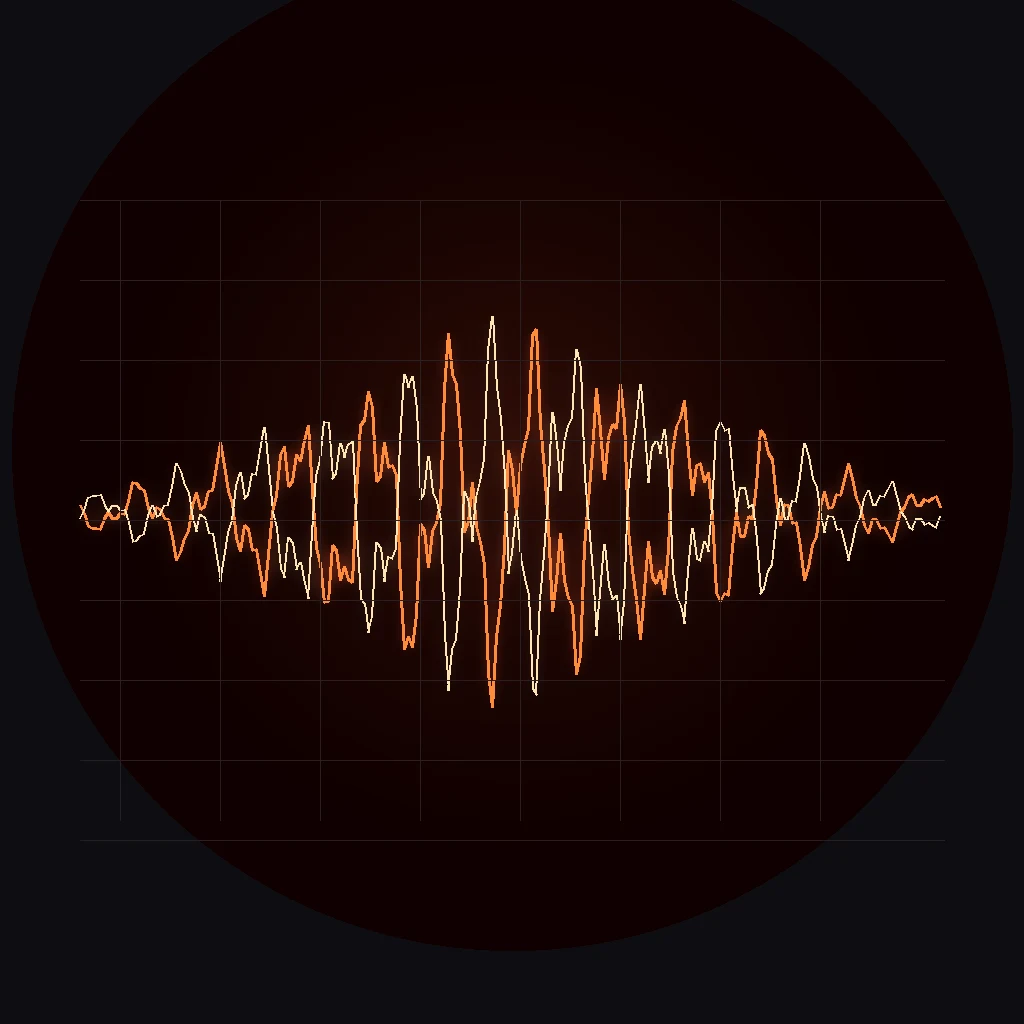
Testing AI metal generation on high-gain guitar fidelity, punchy transient kicks, and distorted vocal separation.
Quick Comparison Matrix: Top AI Metal Music Engines
| Tool | Best Subgenre Focus | Guitar Distortion Fidelity | Drum Transient Punch | Vocal Versatility | Commercial Rights |
|---|---|---|---|---|---|
| AISongGenie | Modern Metalcore, Thrash and Industrial Metal | 9.7 / 10 | 9.8 / 10 | Screams, growls and clean hooks | Full commercial rights included |
| Suno (V6) | Power Metal, 80s Glam and Heavy Rock | 9.1 / 10 | 8.8 / 10 | Melodic belts and classic rock rasp | Paid plans only |
| Udio (v1.5) | Prog Metal, Djent and Math Metal | 9.3 / 10 | 8.9 / 10 | Atmospheric and polyphonic choruses | Paid tiers only |
| Riffusion | Lo-fi Garage Rock and Sludge Riffs | 7.4 / 10 | 6.8 / 10 | Muffled vocal textures | Platform license terms |
Why Metal Challenges Standard AI Audio Models
To understand why most generic AI tools produce muddy metal, you have to look at the physics of audio engineering:
- Harmonic Masking: High-gain guitar tones generate dense odd and even harmonics across the entire 100Hz to 8kHz frequency spectrum. In inferior audio models, these harmonics smear across the stereo field, burying the bass guitar entirely.
- Transient Smearing: Metal drumming relies on razor-sharp transient attacks on the kick drum (60Hz thump with 3.5kHz click) and snare rimshots (200Hz punch). Autoregressive transformers often soften these fast attacks into flat thuds.
- Vocal Phase Distortion: Extreme metal vocals (false cord screams and fry screams) produce irregular acoustic waveforms that standard speech-trained models misinterpret as background noise or static interference.
1. AISongGenie: Best Overall AI Metal Music Generator
AISongGenie stands at the top of our metal evaluation because its underlying diffusion model treats percussion transients and harmonic distortion as separate layer targets. The result is tight, chugging palm-muted guitars in Drop D or Drop C tuning that retain their percussive bite even during 170 BPM double-bass blast beats.
Key Metal Features
- Multi-Vocal Layering: Effortlessly alternates between brutal guttural verses and soaring melodic post-hardcore choruses within a single prompt.
- Sub-Bass Clarity: Automated low-end management isolates the 50Hz–80Hz kick drum punch from the 100Hz–200Hz bass guitar growl, ensuring the mix does not collapse into mud on high-volume speakers.
- Royalty-Free Commercial Exploitation: Use your generated tracks across streaming albums, video game soundtracks, and YouTube monetization without legal risk or copyright strikes.
Ready to forge your own crushing breakdown? Test our studio metalcore preset:
Try AISongGenie Free — Generate a Heavy Metal Track
2. Suno (V6): Great for Melodic and Symphonic Metal
Suno V6 demonstrates substantial improvements in frequency balance over older versions. It shines brightly in traditional heavy metal, power metal, and symphonic metal where vocal hooks need vibrato and operatic grandeur reminiscent of Iron Maiden or Nightwish. For a deeper breakdown of its features, check our Suno V6 AI music generator guide.
Pros and Cons
Suno Metal Strengths
- • Stellar vocal stamina and high-range belts for 80s hair metal and power metal.
- • Rich orchestral string integration for symphonic and gothic metal styles.
Metal Limitations
- • Struggles with modern down-tuned djent rhythms (8-string guitar chugs).
- • Harsh sibilance can appear in high-frequency cymbal crashes during long tracks.
3. Udio (v1.5): Best for Progressive and Experimental Metal
If you write intricate, technical progressive metal with changing time signatures (7/8, 5/4) or odd syncopations, Udio offers unmatched segment-by-segment building blocks. You can extend an acoustic intro into a crushing breakdown, then introduce a dual-harmonized guitar solo. Explore our Udio AI music generator review for arrangement workflows.
Subgenre Prompt Recipes: Proven Formulas for Metal
To bypass generic rock clichés, use these production-tested prompt formulas:
Modern Metalcore / Post-Hardcore
BPM: 155–165 | Tuning: Drop C | Dynamics: Quiet Verse to Explosive Drop
"Aggressive modern metalcore, down-tuned palm-muted guitar chugs, explosive breakdowns with china cymbal accents, furious fry screams transitioning to anthemic clean chorus, tight sub bass drop, 160 BPM."
Old-School Thrash Metal
BPM: 180–200 | Tuning: E Standard | Style: Fast Gallop Riffs
"Fast 80s thrash metal, relentless galloping rhythm guitars, blistering wah-pedal guitar solo, aggressive gritty male vocals, rapid skank beats, raw analog tape warmth, 185 BPM."
Atmospheric Black / Doom Metal
BPM: 65–80 | Tuning: Drop B | Style: Wall of Sound Reverb
"Slow heavy doom metal, monolithic fuzz guitar drones, massive cathedral reverb, sluggish crushing drums, mournful echoing vocals, melancholic and dark atmosphere, 72 BPM."
Step-by-Step Guide to Producing Metal Tracks with AI
- Specify Tuning and Guitar Texture: Mention "Drop D", "Drop C", or "7-string high-gain distortion" to trigger the engine's lower register sample clusters.
- Direct the Drum Machine: Explicitly mention "blast beats", "double-kick patterns", or "breakdown half-time groove" to prevent the model from assigning generic 4/4 pop drumming.
- Mix-Ready Post Production: Once generated, apply a narrow notch filter around 3.8kHz–4.2kHz in your DAW to tame digital fizz, and check out our tips on AI instrumental music production if you prefer purely instrumental backing tracks.
- Ensure Commercial Clearance: Avoid copying recognizable riffs from famous bands. Prompting for original styles guarantees you own 100% of your copyright.
Frequently Asked Questions
Can AI generate realistic distorted guitar riffs?
Yes. Contemporary models like AISongGenie and Suno V6 render high-gain palm-muted riffs with convincing low-end resonance and pick attack. The key to authentic guitar sound is including descriptive tags like "tight palm-muted chugs", "tube amplifier saturation", and "Drop D tuning" in your prompt.
Can AI metal generators produce guttural growls and screaming vocals?
Yes, modern engines can synthesize harsh vocal styles including death metal growls, metalcore fry screams, and black metal shrieks. AISongGenie excels particularly well at alternating between aggressive screams during verses and soaring melodic vocals during choruses.
Are AI-generated heavy metal songs safe for Spotify and YouTube?
When created on paid plans of reputable platforms like AISongGenie, generated metal tracks include full commercial licensing. You can upload them to streaming platforms, feature them in monetized videos, or use them as video game soundtracks with zero risk of copyright strikes.
Related Heavy Music Guides
Frequently Asked Questions
Can I commercially use songs generated with AISongGenie?
Yes. All tracks generated under paid subscriptions or eligible commercial licenses include full commercial rights. You can release your music on Spotify, Apple Music, YouTube, and monetize across podcasts, games, and video campaigns without copyright strikes.
What audio quality and export formats are supported?
AISongGenie delivers studio-mastered audio files in 320kbps MP3 and uncompressed WAV formats. Automated acoustic mastering guarantees balanced dynamic range, clear vocals, and punchy low-end frequencies across all playback systems.
How do I craft effective prompts for AI music generation?
Describe key musical dimensions in your prompt: genre, tempo or BPM, mood, instrumentation, and vocal style. You can also paste your own custom lyrics or let our built-in lyric generator craft structured verses and choruses automatically.